

Our projects

Multifactorial cancer risk prediction
There are over 400,000 new cases of cancer diagnosed in the UK each year.
If we could identify people who are at increased risk of cancer across the lifecourse, we would have more opportunities for prevention and early detection.
Our aim is to design, develop and implement multifactorial risk prediction tools (such as CanRisk) so we can provide personalised risk estimates to patients and the public.

Sensory overload in autism
Sensory overload, shutdown, meltdown, and other overwhelming experiences are frequently reported by autistic people, but our understanding of these experiences is still limited.
Our aim is to work collaboratively with autistic communities to prioritise lived experience perspectives. By better understanding sensory overload, meltdown and shutdown, we hope to be able to develop tailored support to help manage overwhelming experiences in peoples’ daily lives.

Transgender inclusion in sport
Participating in sport can be beneficial for physical and mental health for lots of people. Unfortunately, transgender inclusion in sport has been a hot topic of discussion, and trans people are often excluded.
Our aim is to find which sports provide trans people with the greatest psychosocial benefits. We also want to understand the barriers that trans people face around sporting participation, and identify things that can better support equitable inclusion for trans people.

Developing a new measure of uncertainty
Uncertainty is a universal part of life, yet its meaning and impact can vary greatly from one person to another.
In order to study the impact of uncertainty on our everyday lives, we need to be able to measure if, when and how people may be affected by it.
Our aim is to develop a new measure of uncertainty (e.g. a validated questionnaire). This questionnaire can be used in research, and by healthcare practitioners as a part of their assessment of related mental health conditions such as anxiety or depression.
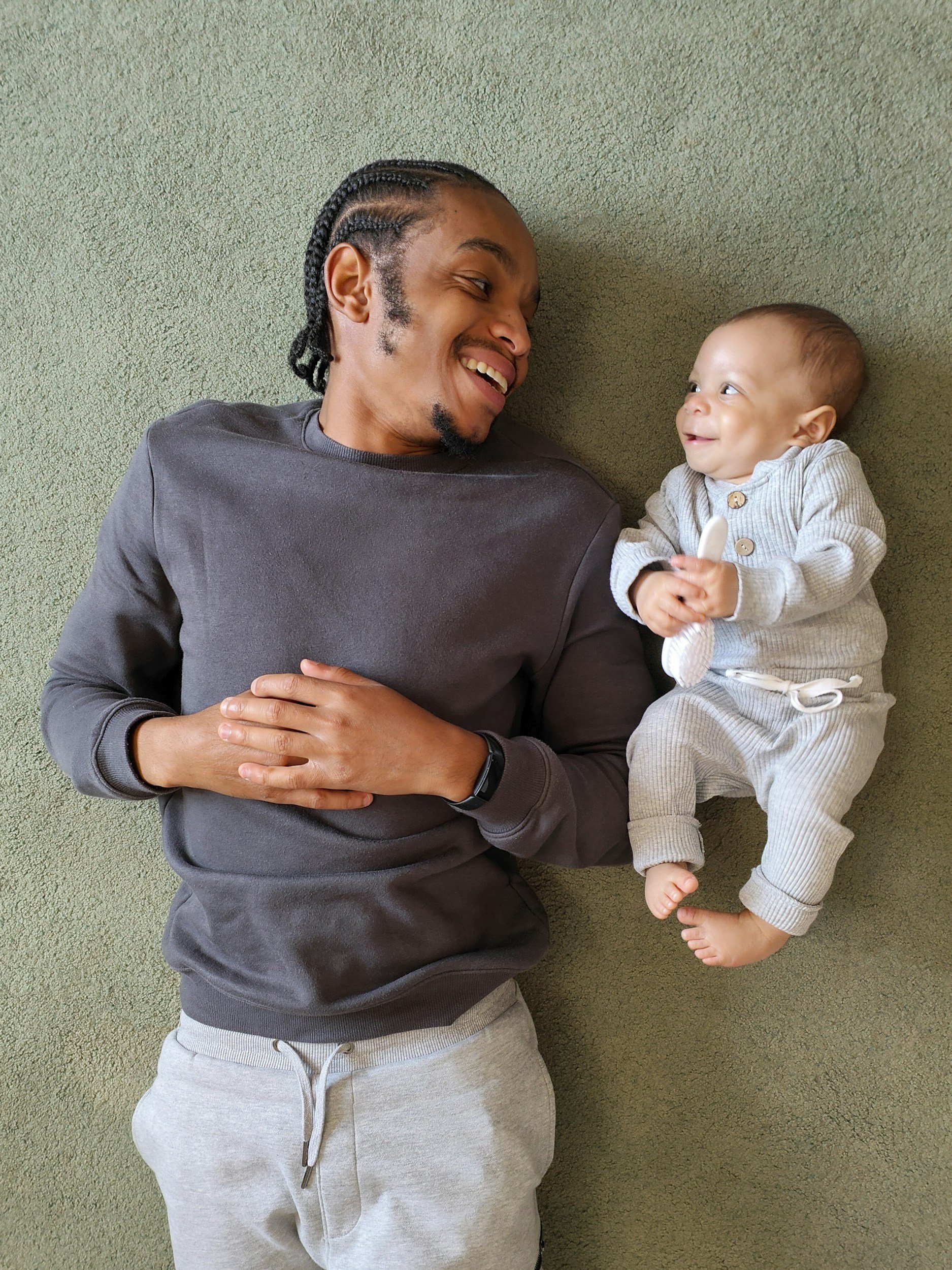
Sharing parents’ experiences
Parenthood is a journey with key milestone moments. Some, like becoming a parent or having a child start school, are widely shared. Others, like adjusting to a child's health needs, are more individual.
Researchers study these milestones, but often many of the findings are not shared with the communities who might benefit (e.g. other parents or carers).
Our aim is to explore the similarities and differences in the way parenthood is experienced, and produce an archive to share things we’ve heard and learned during our past projects.

Improving risk prediction for South Asian women
Multifactorial risk prediction tools (e.g. CanRisk) estimate a woman's chance of developing breast cancer and guide her decision making around screening and prevention.
Most risk tools were made using data from White European women, so it is not yet clear how well they work for women from ethnic minorities, or whether these women will choose to use them.
Our aim is to understand how we can make risk prediction tools both more accurate and acceptable for South Asian women.

Using medication to reduce breast cancer risk
Risk reducing medication can prevent breast cancer for people who have alterations in cancer genes (e.g. BRCA1).
Currently, uptake of these medications is low. A variety of factors could influence an individual’s decision to do this (e.g. lifestyle and family history).
Our aim is to understand who uses risk reducing medication and why. This will help us to work out who to offer these medications to in the future and how best to support them.

Inequalities in access to cervical cancer screening
The NHS Cervical Screening Programme has reduced cervical cancer incidence by 75%. However, disabled people are 63% less likely to attend.
People who cannot walk face structural barriers that make examination inaccessible leading to late cancer diagnoses and outcomes.
Our aim is to understand how ambulatory people experience cervical cancer screening and identify ways of being able to improve this in the future.