

Our Team
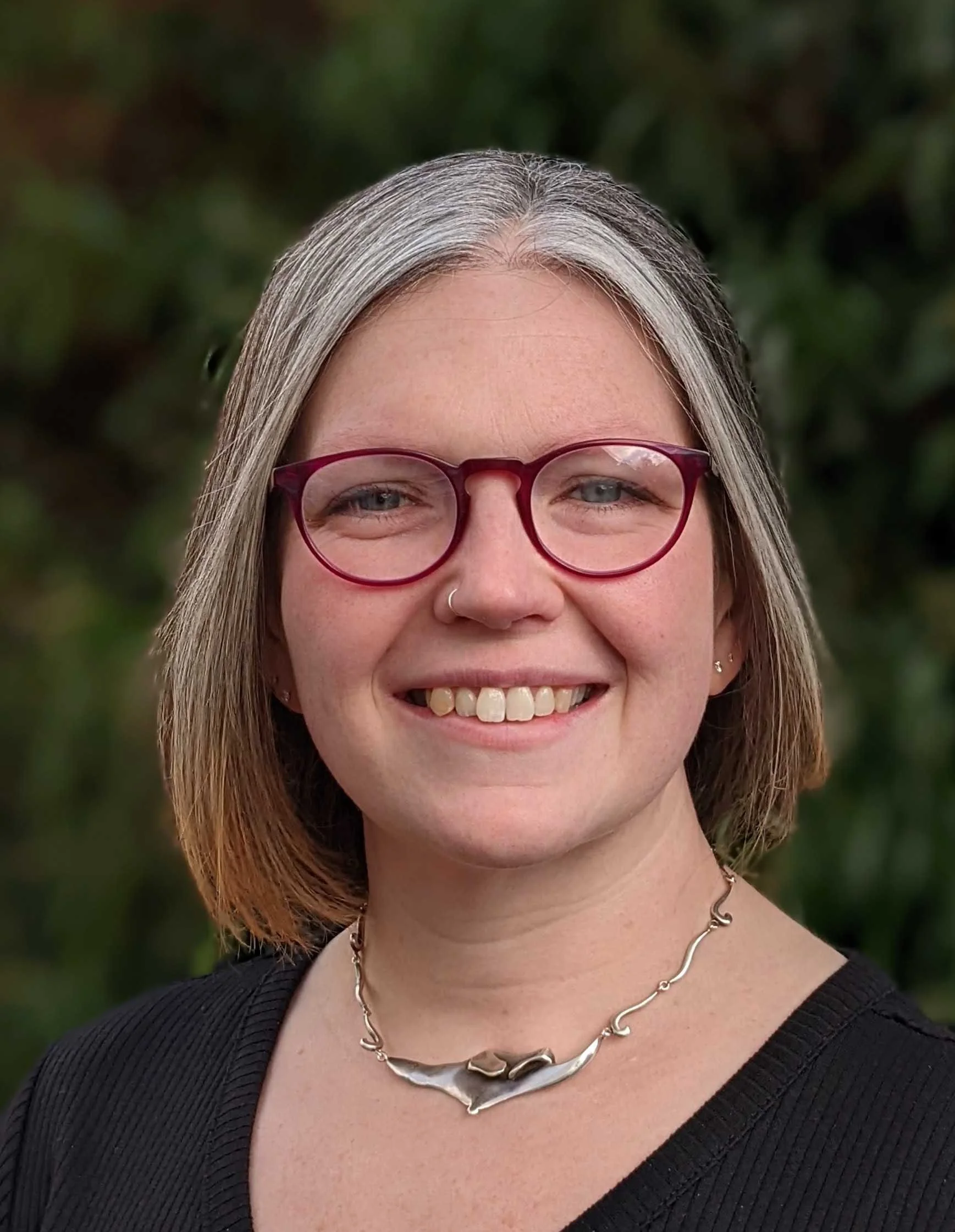
Dr Stephanie Archer
Steph leads the Health and Wellbeing Research Group.
Steph is an Associate Professor in the Department of Psychology at the University of Cambridge, an Honorary Health Psychologist at Cambridge University Hospitals NHS Foundation Trust, and a Fellow at Robinson College. Steph also has visiting appointments at a number of other institutions.
Steph is a HCPC registered health psychologist and has an interest in health and wellbeing across a range of communities and populations. Much of Steph’s work focuses on the psychosocial impact of cancer. More recently, Steph has developed an interest in health inequalities.
Steph has a passion for involving patients and the public in her research and making the research process - and its findings - accessible to a range of communities. Steph incorporates her research into her teaching, which includes the use qualitative and mixed methods.
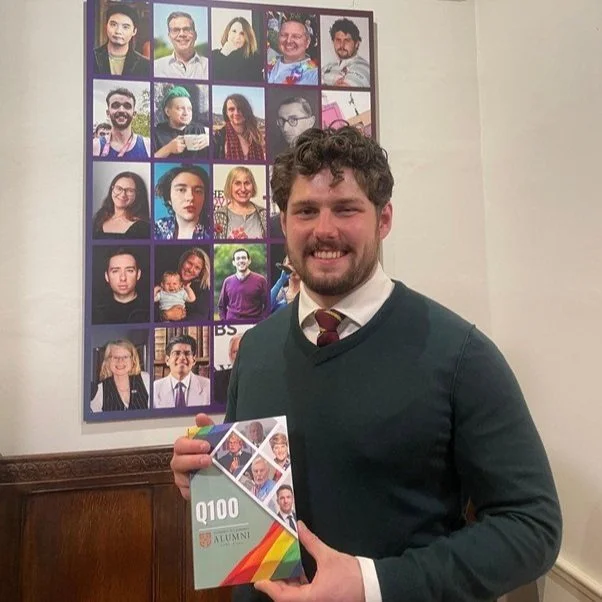
Tom Petty
Tom is a second year PhD student who is continuing his studies at Cambridge after completing his MPhil in Health, Medicine and Society. Tom’s PhD focuses on identifying the barriers and facilitators to sporting inclusion and their psychosocial impact on transgender individuals.
Transgender inclusion in sport is a hot topic but is under researched. Tom wants to fill the research gaps around what makes transgender inclusion into sport easier or more difficult, and to reframe discussion on the topic toward the psychosocial (i.e. non-physical) benefits of sporting inclusion.
Tom is in the final stages of completing a scoping review of the current research in this area. This will help to guide Tom’s subsequent projects, inform the projects of other researchers/research groups, and improve the general understanding of the psychosocial benefits of sport for transgender people.
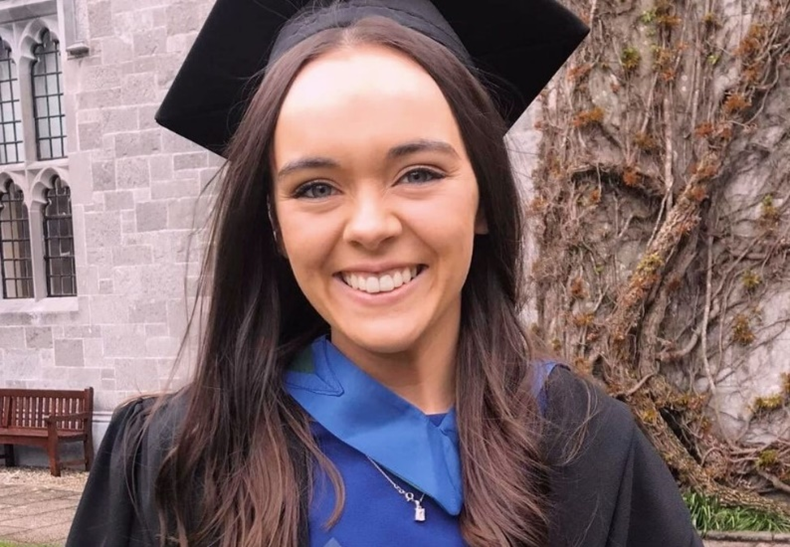
Reanna Clune
Reanna is a Research Assistant with a background in Health Psychology, holding an MSc in Health Psychology from the University of Galway. Her research interests are primarily focused on women’s health with particular emphasis on cancer prevention, early detection and diagnosis. She has contributed to several projects, including the Cancer Research UK-funded “Ribbons” project, which examined public receptiveness to risk-based innovations for cancer prevention and early diagnosis.
Reanna has recently completed the “CanRisk in Secondary Care Breast Services” study. This Cancer Research UK funded project aimed to develop a pathway for integrating multifactorial risk assessment within secondary care breast services.
At the moment, Reanna is working on a Wellcome funded study that is looking to develop a new way of measuring uncertainty. Tolerance (or intolerance) of uncertainty is often used as a measure in mental health research, and has established links with anxiety.

Mia Myers
Mia is a first year PhD student funded by the ESRC. Mia has a first class undergraduate degree in Psychological and Behavioural Sciences from Cambridge. Mia’s PhD is focused on improving access to cervical screening for non-ambulant people.
Previously, Mia’s work has focused on developing and integrating user-friendly cancer risk prediction tools into NHS pathways to improve patient outcomes for breast, ovarian and prostate cancer. Mia continues to contribute to this programme of work alongside her PhD.
In addition to psycho-oncology, Mia is passionate about addressing health inequalities and advocating for equitable healthcare access, particularly for disabled and LGBTQIA+ individuals.

Ellen Taylor-Bower
Ellen is a final year PhD student whose research explores the psychological and physiological components of overwhelming experiences associated with autism.
Ellen’s multi-stage research project combines quantitative and qualitative methods to develop a better understanding of autistic experiences such as sensory overload, shutdown, meltdown, and burnout. By developing a framework for defining, categorising, and understanding these experiences, Ellen aims to improve the health and wellbeing of autistic individuals by helping them to manage overwhelming experiences in their daily lives.
All stages of Ellen’s research project have been designed through collaboration with an autistic Research Advisory Group, with the aim of demonstrating how autistic-led autism research can benefit both academic research and healthcare practice, as well as helping to rebuild trust between researchers and autistic communities.

Nichola Fennell
Nichola is a final year PhD student, coming from a background of Genetics and Genetic Counselling. She completed her BSc in Genetics in University College Cork, followed by an MSc in Genomic Medicine through the University of Exeter. She completed her training as a Genetic Counsellor through the Scientists Training Programme, based in Cambridge, and is registered with the Health and Care Professions Council.
Nichola’s research focuses on the acceptability and feasibility of implementing personalised risk estimates (including polygenic risk scores) for hereditary breast and ovarian cancer into clinical genetics services. Nichola’s PhD is based around a multi-centre randomised controlled trial that has quantitative, qualitative and economic components.
In addition to the randomised controlled trial, Nichola is reviewing the literature based around the clinical implementation of personalised risk estimates for breast cancer, with the aim of identifying any barriers and facilitators that may affect this. Nichola hopes that her research will help guide the future of how genetic testing for hereditary breast and ovarian cancer is offered.

Swetha Kannan
Swetha is a second year PhD student funded by the Cambridge Trust's Cambridge International Scholarship. Swetha holds a first-class BSc(Hons) in Biological Sciences from the University of Edinburgh and an MPhil in Medical Sciences from the University of Cambridge. Swetha’s research primarily focuses on the development, implementation and acceptance of multifactorial risk prediction models for breast and ovarian cancer in India.
Most of Swetha’s initial academic career was largely in clinical/discovery sciences, focused on understanding the biology of cancer and improving treatments for the disease. More recently, Swetha’s interests have shifted towards public health, cancer prevention/early detection and policy-guided frameworks for equitable cancer care, leading Swetha to shape her current and future career in this area.
Growing up in India, Swetha gained insight into health inequalities in the country and impact they had on patient/caregiver wellbeing and gained first-hand experience of the same when her grandmother was diagnosed with cancer. These experiences have led her to strongly believe that quality and timely healthcare must be a fundamental right and not a privilege.
As someone who identifies as a disabled person of colour, her secondary research focus is on improving accessibility to cancer screening and care services for individuals with physical/mental disabilities and/or from marginalized communities. She hopes that her PhD will lay some of the groundwork in this area alongside developing a novel framework for accessible precision cancer screening in low and middle income countries.

Anna Sochiera
Anna is a Visiting Research Assistant with a Master’s degree in Health Psychology from University College London. Anna is currently undertaking a PhD in Health Psychology at Monash University (Melbourne) which focuses on developing a digital intervention to support sleep for people with mild cognitive impairment and their care partners.
Anna’s research interests centre on evaluating the usability and accessibility of digital health interventions to support the management of chronic conditions. Her work includes contributing to the development of a chatbot designed to alleviate concerns around cancer screening and supporting Global Health Projects in creating a platform aimed at educating young people about their risk of bowel cancer. Anna is particularly interested in cancer early detection and strategies to effectively engage individuals with risk information and prevention tools.
Anna contributes to a programme of research exploring how patients and clinicians engage with multifactorial risk assessments, with a special interest in the communication of risk. Her work aims to make these tools person-centred, accessible, and effective in improving health outcomes through tailored prevention and management strategies.
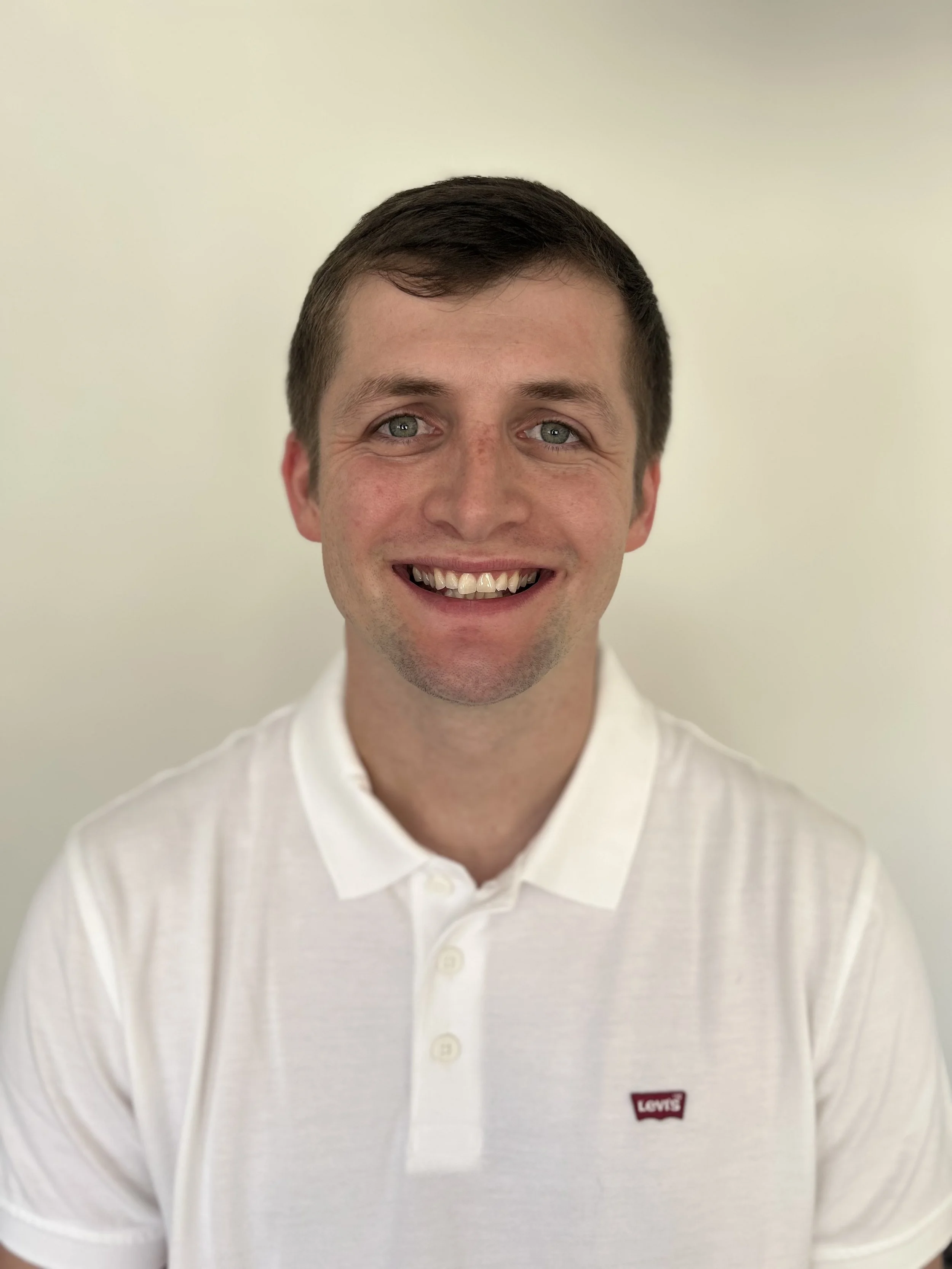
Dr Jacob Matthews
Jacob is the Patient and Public Involvement and Engagement (PPIE) Co-ordinator for the team. His PhD focused on resilience, mental health and youth engagement in research. Following his PhD, Jacob worked as a research associate for 3 years on the Health Outcomes for young People throughout Education (HOPE) study, which sought to explore the outcomes for young people with special educational needs and disabilities, their families, and the professionals who support them.
Throughout this time, Jacob placed public engagement with research at the heart of all his work, with a particular focus on enabling more people from underrepresented groups to help shape a variety of research projects.
Jacob is currently working on multiple projects, with a particular focus on the Cancer Data Driven Detection programme funded by CRUK and the Certain about Uncertainty Programme funded by Wellcome.
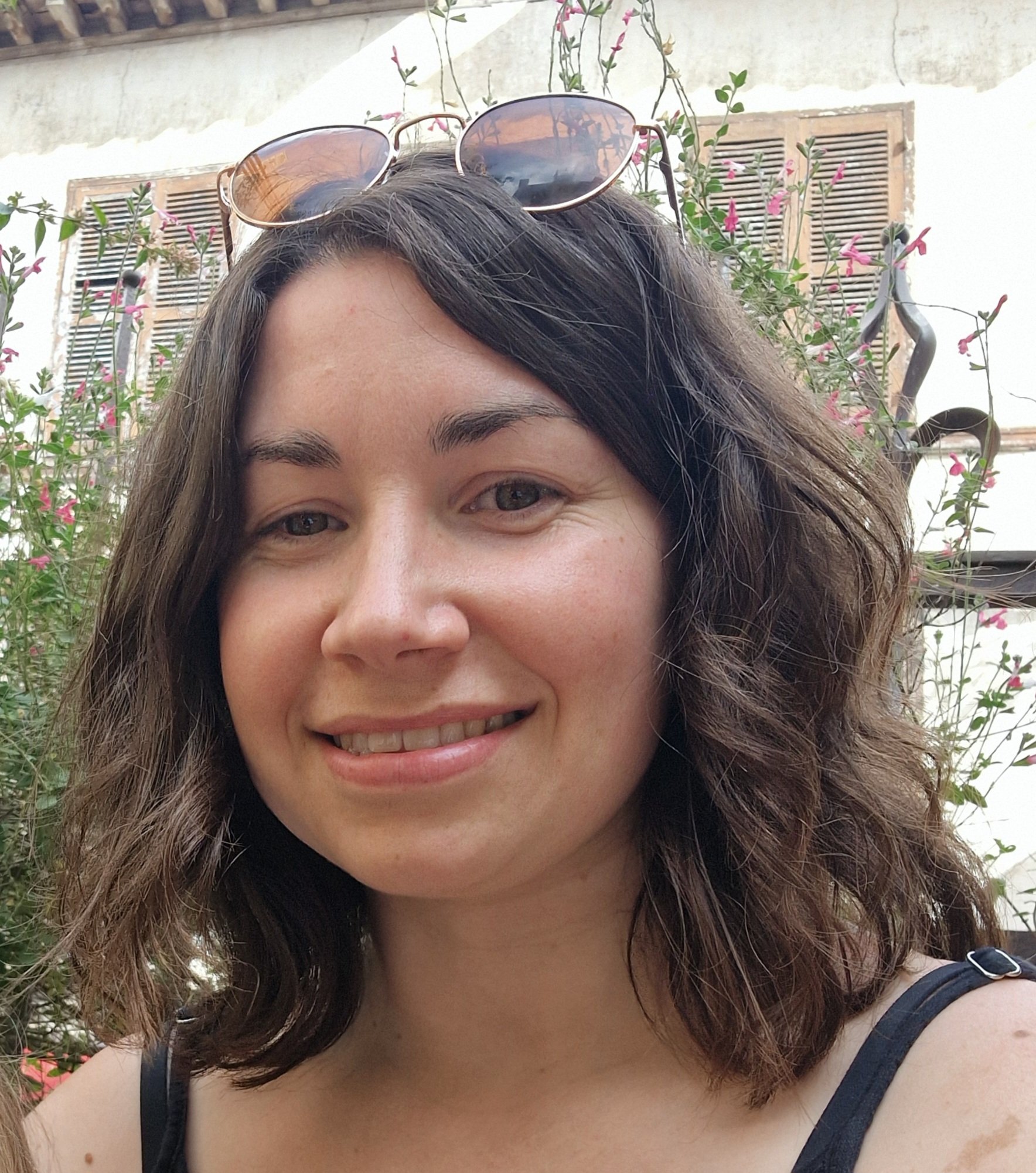
Dr Leila Dorling
Leila is a Assistant Research Professor with expertise in applied statistics and genetic epidemiology. She received a BSc in Maths and Psychology at the University of Newcastle, followed by an MSc in Medical Statistics at the London School of Hygiene and Tropical Medicine. After working as a research assistant at the Centre for Cancer Genetic Epidemiology, University of Cambridge, she completed a PhD in Genetic Epidemiology, examining variability in patient response to cancer treatment.
Since completing her PhD, the focus of Leila's work has been identifying germline variants that contribute to female breast cancer risk and quantifying associated risks. Much of this work is under the BRIDGES project of breast cancer susceptibility genes and is performed alongside international collaborators in the Breast Cancer Association Consortium.
Leila remains highly interested in psychology and initially joined the Health and Wellbeing Research Group to support the statistical analysis of projects within the group while simultaneously gaining experience in qualitative and psychology-based research. However, after joining the group on a longer term basis, Leila is starting to explore a new research area from first principles (watch this space!).
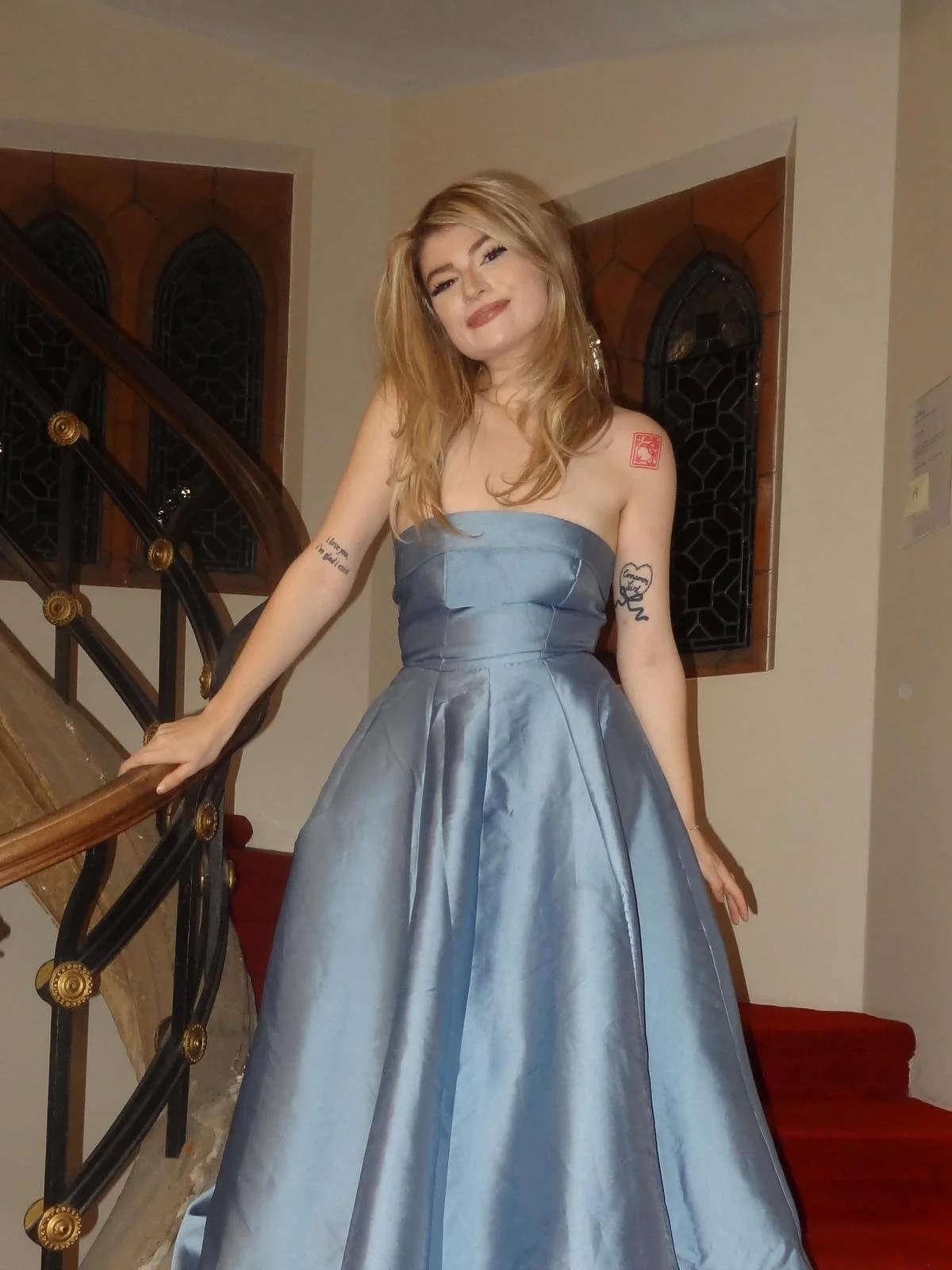
Tasha Leeson
Tasha is a summer intern with the Health and Wellbeing Research Group and an undergraduate student in Psychological and Behavioural Sciences at the University of Cambridge. She will remain with the group to complete her dissertation on socioeconomic status and access to healthcare for adults with intellectual disabilities. Her research focuses on improving healthcare access and support for underrepresented populations, particularly individuals with intellectual disabilities and neurodivergent conditions.
Prior to joining the group, Tasha worked as a Research Assistant at Acción Transformadora, where she conducted an independent project evaluating the cost-effectiveness of cognitive behavioural therapy for high risk youth in Brazil.
Tasha has three years of experience working with adults with learning disabilities in clinical settings which her motives her to improve healthcare accessibility and service design for underrepresented groups. Tasha is also committed to open and accessible science communication, with a focus on public speaking and making research more widely accessible.
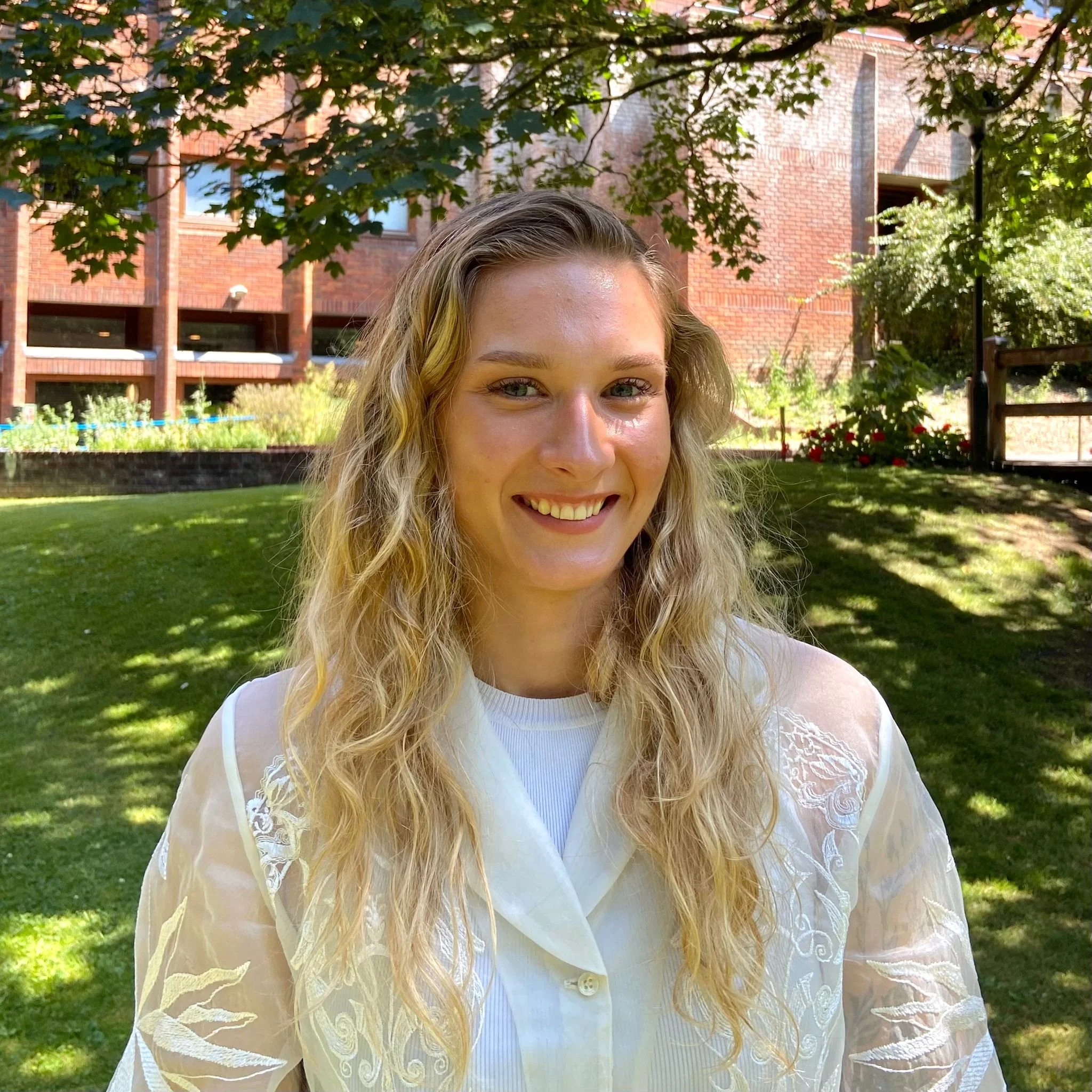
Karolina Rawdanowicz
Karolina (Kaz) will be joining the team in September - watch this space for her bio!

Could this be you?
Keep an eye out for vacancies in our group on the University of Cambridge jobs page